


Power Semiconductor Packaging: The Double-Side Cooling Revolution

Power Semiconductor Packaging: The Double-Side Cooling Revolution
Executive Summary
Double-side cooling technology represents the next frontier in power semiconductor packaging. By enabling heat dissipation from both top and bottom surfaces, advanced modules from companies like MACMIC reduce junction temperature by 30-60°C and improve thermal resistance by 30-50% compared to traditional single-side cooling designs. This breakthrough is critical for high-power-density applications in automotive electrification, AI data centers, and industrial drives.
Key Technology Innovations
Dual-Side Thermal Pathways
Traditional power modules dissipate heat through a single surface (typically bottom), creating thermal bottlenecks as power densities exceed 200W/cm². Double-side cooling packages chips between two AMB (Active Metal Brazing) substrates, creating parallel heat flow paths that:
• Reduce junction-to-case thermal resistance from 0.22 K/W to 0.112 K/W (-49%)
• Lower continuous junction temperature from 138°C to 108°C at 156.5W power loss
• Prevent thermal runaway under extreme conditions (323.5W: 199°C vs 238°C)
Advanced Interconnection Materials
Copper sintering replaces traditional aluminum wire bonding and solder attach:
• Nano-copper sintering: Formic acid-assisted process at 160-200°C achieves shear strength >45MPa
• Thermal conductivity: 380 W/(m·K) vs 120-250 W/(m·K) for silver sintering
• Cost advantage: One-third the cost of silver sintering solutions
• Reliability: Power cycling life >3.2×10⁵ cycles (target: 10⁵ cycles)
Integrated Cooling Systems
Microchannel cooling integrated into both top and bottom substrates:
• Channel dimensions: 200μm width × 500μm height
• Coolant flow: 0.5-1.0 L/min with <10W pumping power
• Dual-side efficiency: 40% higher heat transfer compared to single-side designs
Market Applications and Impact
Automotive Electrification
• 800V platform adoption: Premium EV models achieve 65% double-side cooling penetration (2025)
• Range improvement: Inverter efficiency increases from 98.2% to 99.1%, extending vehicle range by 4.5%
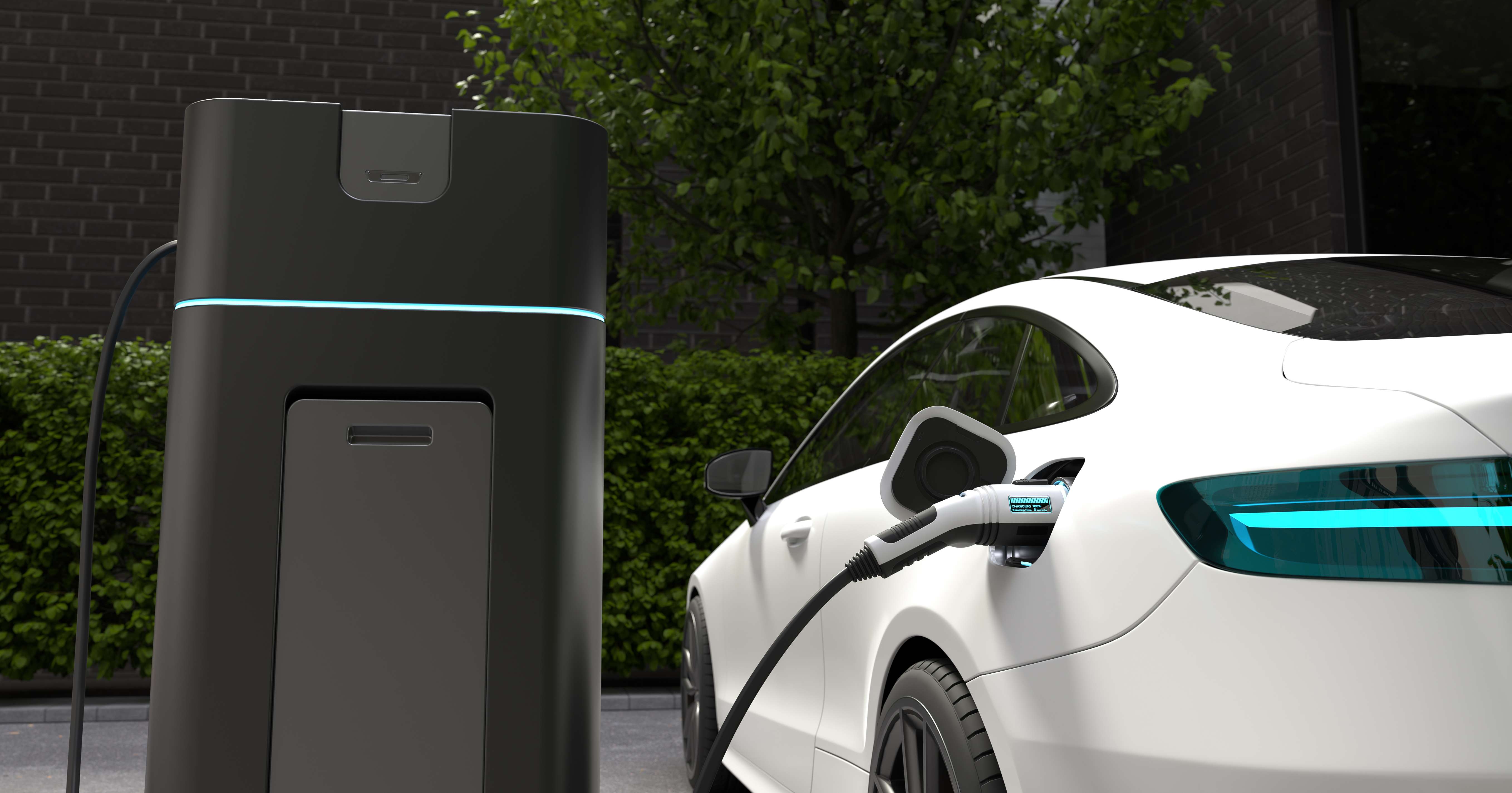
• Fast charging: Supports 350kW ultra-fast charging (400km in 5 minutes)
AI Data Center Power Supplies
• 48V bus architecture: Requires power density >100W/cm³
• GaN implementation: Double-side cooling enables switching frequencies >400kHz
• 2026 projection: 45% market penetration expected
Industrial Applications
• Variable frequency drives: Reliability improvement with copper sintered interconnects
• Power cycling life: 32× improvement over traditional packaging
• Thermal management: Continuous operation at 175°C junction temperature
Industry Trends and Future Outlook
Market Growth Projections
According to Yole Group (2025):
• Total power module market: $16+ billion by 2029 (CAGR 12.8%)
• Automotive segment share: 35% by 2029 ($5.6+ billion)
• Double-side cooling CAGR: 35% (2025-2030) for module packaging
Technology Development Roadmap
2025-2026: Cost Optimization
• 8-inch SiC substrate adoption >30%
• Module price reduction to 1.2× single-side equivalents
• Mainstream vehicle penetration >40%
2027-2028: Material Innovation
• Diamond substrate implementation
• 3D power integration concepts
• 200°C continuous junction temperature capability
2029-2030: New Applications
• Aviation electric propulsion systems
• Ultra-high-density AI accelerators
• Intelligent thermal management integration
Conclusion
Double-side cooling technology transforms power semiconductor packaging from a thermal limitation into a performance enabler. As automotive electrification, AI computing, and industrial automation drive power density requirements higher, advanced packaging solutions become essential rather than optional. Companies like MACMIC that master these technologies will lead the next generation of power electronics innovation.
Hot News
-

 2026.03.13GaN Power Devices: 98% Efficiency Breakthrough for AI Data Center Power Supplies
 -
 2026.03.11Power Semiconductor Packaging: The Double-Side Cooling Revolution
 -
 2026.03.10MACMIC Automotive IGBT Modules: Technical Advantages and Application Practices
 -
 2026.03.09GaN Power Devices: The Energy Efficiency Revolution in Data Center Power Supplies